How do people live beyond 110? Abundance of cancer-killing cells might be key
Researchers found the cells expanded with age and made up 17.6% of CD4 T cells in supercentenarians, suggesting an adaptive response to immune threats.
- New research published in Cell Reports reveals that CD4 cytotoxic T lymphocytes become increasingly abundant in supercentenarians, potentially helping people aged 110 and older manage persistent immune threats.
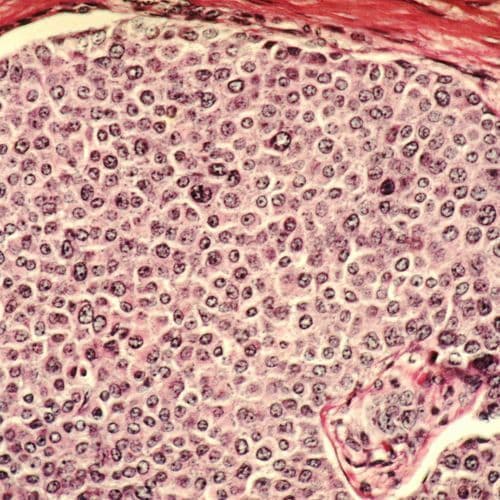
- Typically rare, CD4 CTLs make up less than 5% of T cells in the body. Unlike helper cells, these killer T cells actively patrol and destroy infected, damaged, or cancerous cells.
- Researchers found median CD4 CTL proportions rose from 4% in younger participants to 9.6% in centenarians and 17.6% in supercentenarians. The most prominent clone accounted for an average of 33.3% of these cells, indicating adaptive immune responses.
- Receptor sequences from these cells matched those found in cancer patients, suggesting they may recognize tumors before they become clinically detectable. Immunologist Kosuke Hashimoto says findings suggest immune adaptation to persistent antigens may contribute to cancer suppression and longevity.
- While the study suggests CD4 CTLs contribute to healthy aging, researchers emphasize it does not prove the cells prevent cancer. Immunologist Rahul Sharma called the study "commendable," noting that future research must examine how these cells behave within human tissues.
23 Articles
23 Articles

Reaching the age of 110 is an exceptional phenomenon. But those who reach that age are not only a demographic rarity: they also offer scientists an opportunity to investigate what mechanisms allow the organism to stay for so long. Now, a study of researchers from the University of Osaka (Japan) points to a possible protagonist: certain cells of the immune system capable of fighting abnormal cells.The work has been published in the scientific jou…

Scientists have made a significant discovery regarding the secret to the long and healthy lives of individuals who push the boundaries of human lifespan and surpass 110 years old. A new study reveals that the immune system, typically thought to weaken with age, adapts to aging in these "supercentenarians" by producing a high concentration of rare T cells capable of destroying cancer cells.

Key clue found for how supercentenarians stay healthy beyond 100
Individuals who survive beyond the age of 110 may owe their longevity to immune systems that shift into a heightened state of vigilance rather than fading with time, according to researchers at the University of Osaka. The study, published yesterday, examined a specific type of immune cell known as CD4 cytotoxic T lymphocytes — specialised cells capable of identifying and destroying threats including cancerous growths and viral infections. These…

The immune system of the ultracentenarians would produce specialized cells against some of the deadliest diseases, including tumors. It was revealed by a recent study of some of the...

With age, the immune system is degrading. But most hundred-year-olds have unusually active immune cells – a discovery that is also interesting for cancer therapy.

Scientists Discover Secret Weapon Hiding In People Living Beyond 100
A scientist in Japan may have discovered the secret to living beyond the age of 100. While most of us watch our body’s internal security force turn to mush as we age, a mind-blowing new study shows that folks who blow past their 110th birthday are hiding a supercharged biological defense force in their veins. According to groundbreaking research led by Dr. Kosuke Hashimoto from the University of Osaka and the prestigious RIKEN Center for Integra…
Coverage Details
Bias Distribution
- 38% of the sources lean Left, 37% of the sources lean Right


Factuality
To view factuality data please Upgrade to Premium