This year's El Nino-driven heat could cause nearly half a million more deaths, group says
The report says poorer countries will bear the heaviest burden, with the Sahel expected to see about 66,800 additional deaths.
- On Wednesday, the Chicago-based Climate Impact Lab released a report warning that El Niño could cause 451,000 additional heat-related deaths worldwide between June 2026 and February 2027.
- Amplified by human-caused climate change, this El Niño event could raise global land temperatures by about 1.2 Celsius , producing 44% more extremely hot days than typical.
- The Global South faces the heaviest burden, with the Sahel region in Africa expected to see 66,800 deaths, while researchers project 19,400 across Southeast Asia, 15,800 in India, and 13,300 in Brazil.
- Governments can mitigate risks through heat-warning systems and cooling centers, which authors say provide an opportunity "to see exactly where emergency actions can be taken now to save tens of thousands of lives."
- Implementation of well-thought-out plans remains challenging, said Abhiyant Tiwari, a heat expert at NRDC India, who added, "The real measure of our preparedness is not how many heat warnings we issue, but how effectively we protect people and reduce preventable deaths.
80 Articles
80 Articles

The El Niño phenomenon is particularly strong this year and is leading to rising temperatures in many places around the world.

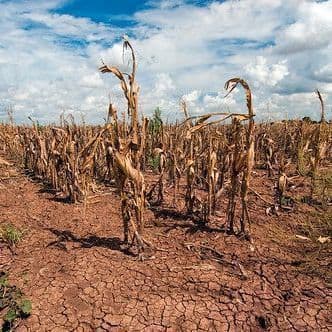
The phenomenon will affect the whole world, from Indonesia to India, from Nigeria to the United States. Many other victims are expected due to the drought, fires and floods that El Niño brings with it.

According to a study by the Climate Impact Lab, the excess heat caused by the exceptionally powerful phenomenon, El Niño, could cause the death of 450,000 people. ...

Record temperatures around the world, El Niño threatens to worsen droughts, fires and floods

Climate scientists are warning that up to 450,000 people could die due to the extremely strong El Niño phenomenon, The Guardian reported.


Coverage Details
Bias Distribution
- 45% of the sources are Center


Factuality
To view factuality data please Upgrade to Premium