El Niño on course to shatter all-time record as ocean logs 100 days of extreme heat
NOAA says the Pacific warming pattern is tied with 2015-16 on one measure, with effects already reaching Indonesia and other regions.
- On Saturday, September 19, Pacific sea surface temperatures reached a record daily anomaly of 3.05°C, tying the 2015-2016 El Niño peak months ahead of schedule, climatologist Zeke Hausfather at Berkeley Earth reported.
- El Niño, the warm phase of the El Niño-Southern Oscillation, occurs when trade winds weaken, allowing warm water to shift east across the tropical Pacific. Human-caused climate change is now intensifying this natural cycle.
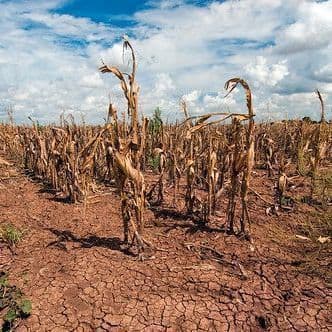
- Intensifying drought has devastated crops across Central America and forced authorities to slash Panama Canal traffic, which carries 5% of global trade. Researchers estimate 451,000 additional heat-related deaths by February 2027.
- The United Nations warned that El Niño represents a "significant public health threat." Teresa Zakaria, WHO Unit Head for Risk Reduction, labeled it a "risk multiplier" and urged immediate action to prevent loss of life.
- Experts project the weather pattern will continue strengthening through the end of 2026. The Met Office stated this event likely positions 2027 to surpass 2024 as the warmest year on record.
184 Articles
184 Articles

An unusually strong El Niño, which is currently warming the planet, has broken the historical record for this natural phenomenon, several months before its expected peak. The latest measurements show that the temperature increase in the center of El Niño in the Pacific Ocean has reached 3.05°C, exceeding the previous record of 3.02°C, recorded at the end of November 2015. This temperature is calculated in relation to the average for the period 1…


British professor: "The developing El Niño will be unprecedented."
 Svenska Dagbladet


The surface of the Pacific Ocean is already at record temperatures, and the weather phenomenon El Niño appears to be developing into an extremely strong “super” variant. “There is nothing to compare it to,” says climate scientist Gustav Strandberg.

The running El Niño develops faster than any previous event in the measurement history. Already the August average exceeded almost all previous maximum values

El Niño packed a punch in 2015, during which daily sea-surface time in a significant Pacific region hit a record 3.02C degrees above age that November. This year's El Niño isn't yet at its peak—that's expected in December—and it has already beaten 2015's number. Water in what...
Coverage Details
Bias Distribution
- 46% of the sources are Center


Factuality
To view factuality data please Upgrade to Premium