Rescue satellite gets close to NASA's doomed telescope, even if i
The 15-kilometer flyby gathered data for future satellite servicing after the rescue attempt was called off, NASA said.
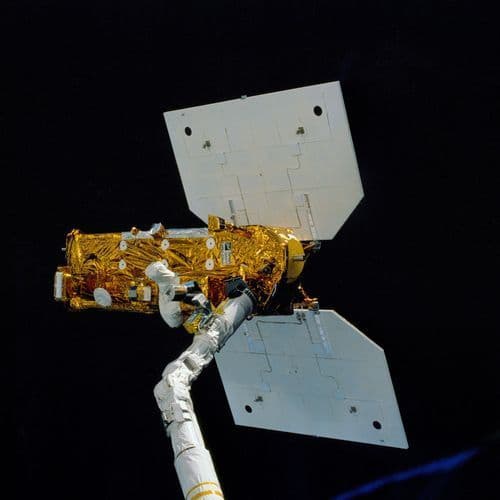
- On the weekend of August 29-30, Katalyst Space Technologies' Link spacecraft reached within 15 kilometers of NASA's Swift Observatory, capturing photos and data more than a week after the rescue mission was abandoned.
- Link entered an uncontrollable spin soon after its July launch, consuming fuel needed for the rescue. Katalyst CEO Ghonhee Lee blamed the failure on rushed nine-month development, forcing engineers to use available parts instead of preferred equipment.
- NASA paid $30 million for the operation, but Link lacked sufficient fuel to boost Swift into a higher orbit. Flight controllers stabilized the spacecraft, yet the telescope remains on track to reenter the atmosphere between October and year's end.
- Despite the failed rescue attempt, the spacecraft continues exercising its 3-foot robotic arms to gather data. Lee noted that servicing old satellites is becoming more commonplace, and the company views this as practice for future satellite service calls.
- Katalyst is developing technology to boost the 36-year-old Hubble Space Telescope into a longer-lasting orbit, applying technical lessons from the Swift mission. The company aims to establish satellite servicing as a standard industry practice.
11 Articles
11 Articles

Katalyst spacecraft reaches NASA Swift but fuel shortage ends rescue bid
Katalyst's Link spacecraft closed in on NASA's Swift Observatory and captured fresh images after the rescue mission was abandoned. The fuel-limited flyby still gave NASA and the company valuable lessons for future satellite servicing.

Rescue satellite gets close to NASA's doomed telescope, even if i
FILE - This photo provided by NASA shows Kieran Wilson, LINK's principal investigator, and Hunter Robertson, a space systems engineer, both at Katalyst Space, standing next to their spacecraft inside the SES (Space Environment Simulator) at NASA's Goddard Space Flight Center in Greenbelt, Md., April 17, 2026, ahead of thermal vacuum testing. (Sophia Roberts/NASA via AP, File)
 The Seattle Times
 The Hamilton Spectator
Rescue satellite gets close to NASA’s doomed telescope, even if it can’t save it
A private spacecraft that was supposed to save NASA's sinking Swift Observatory has managed to come within nine miles of the doomed spacecraft and even snap pictures.
 Associated Press News


Rescue satellite gets close to NASA's doomed telescope, even if it can't save it
A private spacecraft that was supposed to save NASA's sinking Swift Observatory has managed to come within nine miles of the doomed spacecraft and even snap pictures.
Coverage Details
Bias Distribution
- 55% of the sources lean Left


Factuality
To view factuality data please Upgrade to Premium