The Next Oil Shock Is Never the Last
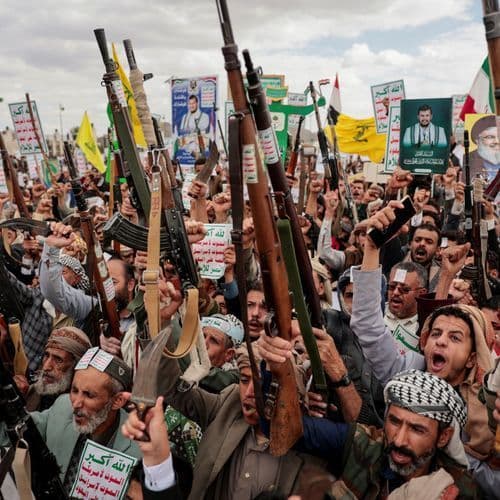
The disruption underscores how Houthi control of key Red Sea routes can threaten global oil flows and raise costs for consumers and shippers.
8 Articles
8 Articles

Two of the main routes through which oil and goods flowed between Asia and Europe came under pressure from Iran and its allies. After blocking the Ormuz Straits, the Houthi rebels took control of the Yemeni coast under the Bab el-Mandeb Straits law, and the attacks on Saudi oil infrastructure pushed Brent's share of oil over $107 per barrel. By controlling strategic areas on the Red Sea coast and near the Bab el-Mandeb Straits, Houthi, an allied…

Implications of the Houthis' move are already visible: Riyadh shut its East-West Pipeline after drone attacks. Jazan, Abha and Najran are under alert. 73 civilians have been wounded in strikes on civilian and economic sites

The Next Oil Shock Is Never the Last
Here we go again. The Houthis have seized the Yemeni Red Sea coast, the port of Mokha and Perim Island, which divides the narrow Bab el-Mandeb Strait into two channels. The group now occupies positions from which it can monitor or threaten one of the world’s most important shipping routes. Normally, that would be alarming enough. But the Strait of Hormuz on the other side of the Arabian Peninsula is already severely disrupted. Saudi Arabia conse…


Instead of easing, the situation in the Strait of Hormuz and the wider Middle East is becoming more tense by the day. Meanwhile, the Houthis have increased their pressure on one of the world's key trade routes with a new push along the Red Sea. Their control of the Bab al-Mandeb Strait could give Iran additional leverage to pressure the United States and the global economy, although shipping through the strait is still operating for now.

On Friday 11 September, in Yemen, the Huthis rebels, supported by Iran, managed to capture the entire Red Sea coastline. What is the current situation in Yemen? Could this shift trigger the opening of a new front in the region?
Coverage Details
Bias Distribution
- 50% of the sources are Center


Factuality
To view factuality data please Upgrade to Premium