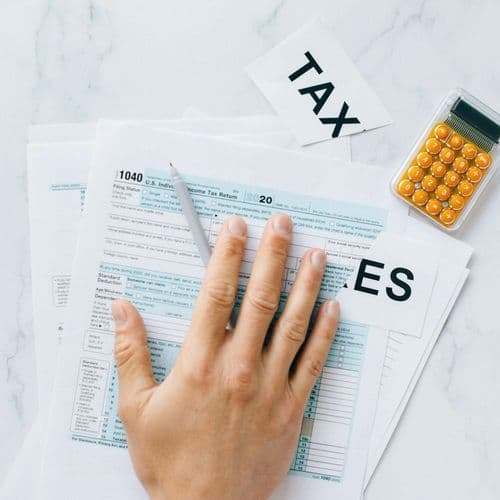
Warnings Sent to French Taxpayers After Hackers Allegedly Sell Stolen Data
The DGFiP says passwords and tax returns were not compromised, and it is warning affected taxpayers to watch for phishing attempts and fraud.
- On Monday, The DGFiP began sending individual warning emails to nearly 700,000 French Taxpayers whose personal and tax information was stolen in cyber attacks on the tax office.
- Hackers gained access to The DGFiP systems during two intrusions in late June and late July, with data linked to around 200,000 land registry accounts also compromised.
- The cybercriminal group ZeroBytes claims it sold the stolen data to two people for "thousands of euros" and states French organizations are "easy to hack."
- Prime Minister Lecornu ordered the National Agency for Information Systems Security to conduct an "in-depth audit to establish the exact circumstances and causes" of the attacks.
- Lecornu called for faster implementation of plans to strengthen government computer systems, while The DGFiP urges Taxpayers to monitor bank accounts and ignore unsolicited requests.
45 Articles
45 Articles

As part of an article, CL is looking for people affected by the massive data leak. Since Wednesday, August 12, the tax information system has been the target of several

This is not the first time that criminals get to the personal data of many French people. This puts the government under pressure. Especially embarrassing is how the authorities have learned about the data leak.


On Tuesday 18 August, at a press conference held at the Ministry of Economy, David Amiel unveiled a "action plan" to strengthen cybersecurity. Among the actions announced by the Minister of Action and Public Accounts, the generalization of double authentication.

Minister David Amiel publicly apologized after attacks in June and July — and a third detected this week — have compromised data from individuals and companies.

Yes, we apologize, because what happened is intolerable, recognized the French Minister of Action and Public Accounts, David Amiel.
Coverage Details
Bias Distribution
- 37% of the sources are Center, 36% of the sources lean Right


Factuality
To view factuality data please Upgrade to Premium