How the East Became Germany’s Far-Right Stronghold After World War II
Kaiser says decades of economic loss, underrepresentation and anti-immigration sentiment have helped make eastern Germany a stronghold for the far-right party.
6 Articles
6 Articles

How the east became Germany’s far-right stronghold after World War II
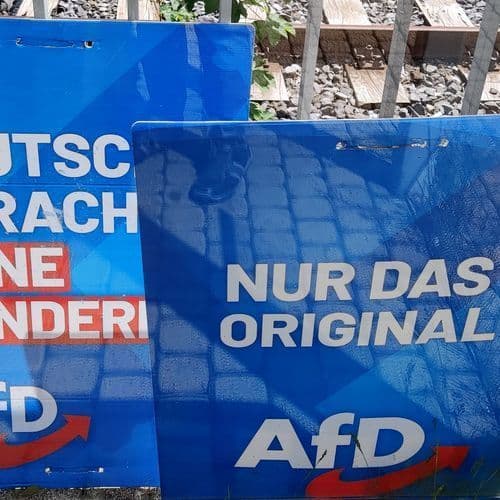
More than three decades after Germany’s 1990 reunification, lasting east-west divisions may be thrown into stark relief at Sunday’s election in the eastern state of Saxony-Anhalt.The anti-immigration and Moscow-friendly Alternative for Germany (AfD) is expected to win big and even hopes to take powe


If AfD wins an absolute majority of seats, it will mark history, becoming the first radical right-wing formation to lead a region since 1945. Elisabeth Kaiser notes that the political identity of the former communist regions remains separate. Economic Disparities Since reunification, efforts to re-establish the exsangu economy of the East have borne fruit: investments are increasing and unemployment is much lower than its peak in the 1990s. Mrs …


The Sachsen-Anhalt-Wahl triggers big waves. The foreseeable AfD-Triumph puts the CDU in distress. The party is torn between left and right, comments Mike Schier.
Coverage Details
Bias Distribution
- 60% of the sources are Center


Factuality
To view factuality data please Upgrade to Premium