U.S.-China Summit Extends Trade Truce, Sets AI Talks
The agreement covers $30 billion in goods each way and adds a new dialogue on artificial intelligence, while both sides keep pressing on export and supply concerns.
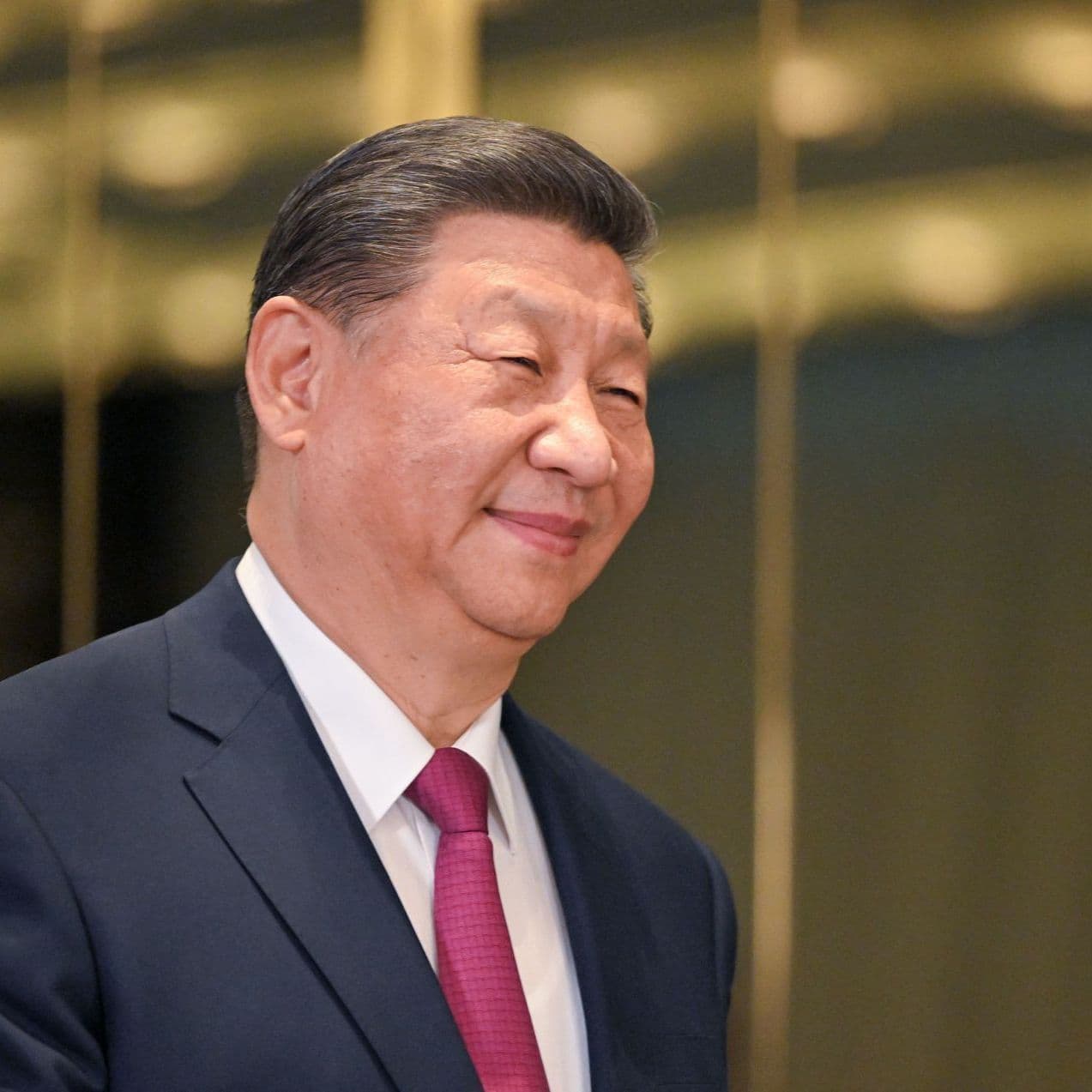
- On Friday, President Donald Trump and Chinese President Xi Jinping concluded a three-day Washington summit, agreeing to recommendations for favourable tariff treatment covering US$30 billion of non-sensitive goods and establishing a "super intelligence" dialogue.
- Over the past 18 months, the Trump administration has signed around 20 "Agreements on Reciprocal Trade" with trade partners, aiming to isolate Beijing by requiring them to mirror U.S. restrictions on Chinese goods.
- Countries like Malaysia have signed deals but delayed implementation, while Emily Kilcrease, Director of the energy, economics, and security program at the Center for a New American Security, described the strategy as "just a stick."
- After walking away from trade talks last month, Canadian Prime Minister Mark Carney stated Canada would not accept restrictions that use the country as "leverage for America."
- As Washington pressures partners to trim ties with China, the balancing act becomes increasingly difficult for Canada, which must navigate preferential access to North American markets while protecting sovereign interests.
12 Articles
12 Articles


The Washington summit between U.S. President Donald Trump and Chinese President Xi Jinping, held over three days from the 23rd to the 25th (local time), placed emphasis on extending and institutionalizing a "managed truce" to prevent a trade war or military conflict, rather than a "big deal" that would change the landscape of the U.S.-China strategic competition. The lavish protocol and hospitality

As Chinese President Xi Jinping returned to Beijing on the 26th following his first state visit to the United States in 11 years, the Chinese government unveiled the "eight major achievements" of the recent U.S.-China summit. The announcement stated that "respect, fairness, and equality" were newly stipulated as the principles for bilateral relations, and the framework for cooperation was expanded in areas such as trade, the Iranian nuclear issu…


As the leaders of the U.S. and China leave export controls surrounding advanced AI chips and semiconductor equipment as an unresolved issue, tension persists within the K-Memory sector amidst a sense of relief. This is because while concerns about a short-term escalation of U.S.-China conflict have vanished, uncertainty regarding K-Memory's business in China continues. Furthermore, as U.S. export controls are instead providing impetus to China's…
Coverage Details
Bias Distribution
- 50% of the sources are Center


Factuality
To view factuality data please Upgrade to Premium