UK Growth to Slow Next Year After Stronger-than-Expected 2026, Says OECD
The OECD said UK inflation will ease to 2.6% next year, but higher energy prices and policy rates are expected to slow activity.
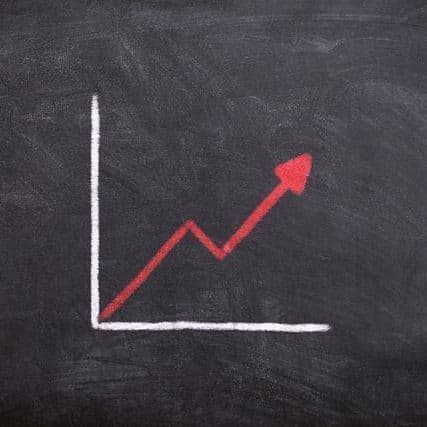
- The Organisation for Economic Co-operation and Development upgraded growth forecasts to 1.1% for 2026 but expects a slowdown to 1% next year amid global economic headwinds.
- Consumer price inflation reached 3.1% last month, with the Bank predicting a peak of around 4% in early 2027 as higher energy prices and "higher policy rate" drag on activity.
- Treasury minister Emma Reynolds noted the economy is showing "strong resilience" despite conflict in the Middle East and Europe, with families to "be supported by newly announced government support measures."
- The growth outlook presents challenges as Chancellor John Healey prepares his first Budget at the end of October, amid concerns over Andy Burnham's broader economic ambitions.
- Global economic risks remain elevated due to ongoing conflict in Iran and weather-related shocks, which could hit farmers and push up food prices next year.
14 Articles
14 Articles

GDP growth to slow next year despite UK economy rebounding in 2026, OECD predicts
Gross domestic product (GDP) growth in the UK is projected to slow next year despite a better-than-expected 2026, according to the Organisation for Economic Co-Operation and Development (OECD).Expected economic expansion for 2026 has jumped to 1.1 per cent, up from a previous estimate of 0.9 per cent issued in June, thanks to "solid" domestic demand during the second quarter.Yet the upgraded figure still falls short of the 1.4 per cent growth re…


UK growth set to slow in 2027, OECD says
The UK economy will grow slower than expected next year as the effects of a long Iran war drag on activity, the world’s leading economic forecaster has said. The Organisation for Economic Co-operation and Development (OECD) predicted that the UK economy would grow by just one per cent next year, marginally down from a previous [...]
Coverage Details
Bias Distribution
- 50% of the sources are Center


Factuality
To view factuality data please Upgrade to Premium