The Colorado River’s Largest Reservoirs Plummet to All-Time Lows as Plans for Basin Remain Precarious
A University of Colorado Boulder brief said the reservoirs last held this little combined water in 1957, underscoring the drought-driven strain on Colorado River management.
- Lake Mead and Lake Powell hit historic lows this past week, falling to levels unseen since 1936 and 1963. Lake Mead dropped to 1,040 feet on Friday, Aug. 14, while Lake Powell hovered around 22% full.
- The seven basin states and Mexico failed to reach consensus on reducing water consumption, deadlocked over fundamental disagreements regarding the 1922 Colorado River Compact and the 1968 Colorado River Basin Projects Act. System stabilization requires cuts of up to 3 million acre-feet annually.
- Reclamation released a final environmental impact statement for post-2026 operations. Sarah Porter, director of the Kyl Center for Water Policy, called it "a decision-making framework" rather than a plan, citing uncertainty from two-year renegotiation cycles.
- Lake Powell sits only 30 feet above the minimum power pool level, risking halts to hydroelectric production at the Glen Canyon Dam. Without negotiated agreement, legal challenges including a Supreme Court fight over water rights loom.
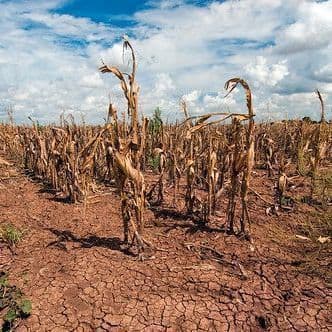
- People are using far more water than nature replenishes annually across the Colorado River basin. Without significant reductions, the 40 million people relying on the Colorado River face potential "run of river" conditions by 2027, triggering drastic supply cuts.
14 Articles
14 Articles
 The Conversation


Colorado River water conservation efforts get only halfway to a solution
A view over Lake Mead shows how far the lake's level has fallen. AP Photo/Ty ONeilIn August 2026 the nation’s two largest reservoirs, Lake Mead and Lake Powell, both on the Colorado River, hit their lowest levels since they first began to be filled in 1936 and 1963, respectively. The federal government and the seven Colorado River basin states – Arizona, California, Colorado, Nevada, New Mexico, Utah and Wyoming – have been unable to reach an ag…

On Saturday, the second largest reservoir in the United States, Powell, reached a record low. Just a week earlier, the largest reservoir, Mead, also reached a historic low. Both reservoirs on the Colorado River are key water sources for urban water supplies and energy.
 Aspen Times


The Colorado River’s largest reservoirs plummet to all-time lows as plans for basin remain precarious
The two largest reservoirs in the Colorado River basin — Lake Powell and Lake Mead — hit new historic lows this past week as critical drought conditions persist across the West and future operations of the two storage pools remain somewhat uncertain. Lake Mead was the first to plummet below its previous record, falling to 1,040 feet, or around 27% full, on Friday, Aug. 14. Lake Powell fell to an elevation of 3,519.91 feet on Saturday, hovering …


Federal Water Tap, August 17, 2026: Two Big Colorado River Reservoirs Hit Record Lows — Brett Walton (circleofblue.org) #ColoradoRiver #COriver #aridification
Colorado River “Beginnings”. Photo: Brent Gardner-Smith/Aspen Journalism Click the link to read the article on the Circle of Blue website (Brett Walton): The Rundown Army Corps approves a permit for the Line 5 oil pipeline tunnel just as a state permit is invalidated. NOAA finds that July was the warmest month in the country’s 132-year historical record. U.S. Fish and Wildlife Service takes comments on draining farmland near protected prairie …

The country is experiencing a drought season in the western and southwest region, affecting seven states dependent on the Colorado River.
Coverage Details
Bias Distribution
- 58% of the sources are Center


Factuality
To view factuality data please Upgrade to Premium