Published • loading... • Updated
Super El Niño threatens Central America food security, IRC says
- A historic warming phenomenon expected to peak late 2026 and extend into 2027 threatens global humanitarian crises and rising consumer prices for staples including sugar and vegetable oils as agricultural disruptions impact markets worldwide.
- Periodic warming of Eastern Pacific sea surface temperatures caused by weakening trade winds drives this phenomenon, which occurs every two to seven years and typically lasts up to 12 months.
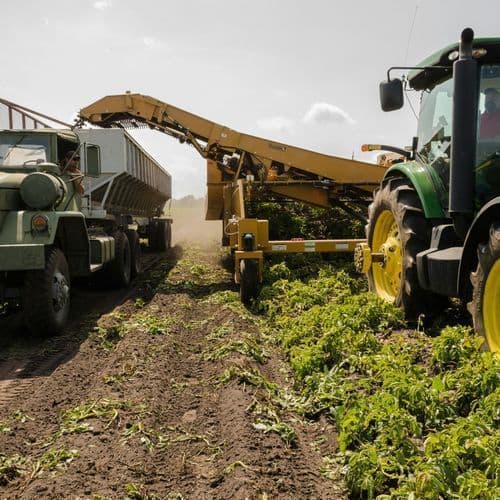
- Severe regional impacts include projected agricultural yield declines of 8 to 10 percent across Southeast Asia and drought conditions pushing 700,000 people in Salvador into immediate need of emergency response, the IRC warned.
- Governments across Asia are implementing emergency measures, with China initiating a 100-day preparation campaign and Hong Kong revising employment regulations to provide mandatory cooling accommodations and rest periods during extreme heat events.
- In India, 188 scientists and ecologists, including Marine Biologist Rohan Arthur and Scientist Jayashree Ratnam, have issued a 'Call to Action' to document the event's ecological impacts and improve the subcontinent's climate resilience.
Insights by Ground AI
19 Articles
19 Articles


More than 180 scientists have warned of a powerful El Niño in 2026-27. This could lead to intense heat, reduced rainfall, and severe impacts on forests, animals, agriculture, and the oceans in India. They have called for immediate increased environmental monitoring.


Coverage Details
Total News Sources19
Leaning Left3Leaning Right2Center4Last UpdatedBias Distribution45% Center
Bias Distribution
- 45% of the sources are Center
45% Center
L 33%
C 45%
R 22%


Factuality
To view factuality data please Upgrade to Premium