Can Europe Adapt to the New Climate?
8 Articles
8 Articles

The climate historian Laurent Litzenburger analyses the parallels with this exceptional year of the small glacial age. The Europe then suffered eleven months without rain, uncontrollable fires and 800,000 dead. 2026 is more in line with a new normality, that of global warming, that of the Research Center of Lorraine University History (CRULH), at the University of Lorraine, Laurent Litzenburger is considered one of the best specialists in histor…

Reports of heat records have become everyday life almost everywhere in Europe at the latest this summer. In many countries extreme drought prevails, the levels of rivers and lakes mark lows. Forest fires lead to mass evacuations. A journey through the comment columns of the European press, in which not all voices are pessimistic.

Europe has been affected by large heat waves this summer. Record heat and droughts recorded during this summer, which are aggravated by global warming, have already caused several disturbances to European countries. Chaos in public health systems, disruptions in energy generation, cargo transport and an increase in forest fires are some of the problems that heat waves are giving to European countries. According to the Reuters, economists and exp…

Published in early August by Le Parisien, a survey draws a map of the cities that will suffer the most from global warming by 2050 and 2100.

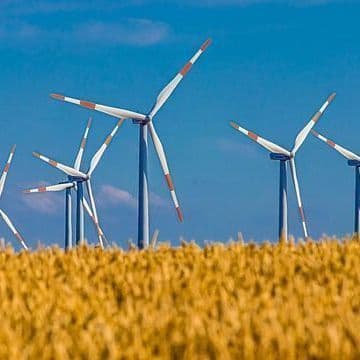
Symbol image: wind turbine and sustainable electricity Photo: Depositphotos.com Around 120 guests came to the start of the "Mission Klima" in the Bürgerhalle of the town hall. The occasion was the award of Dortmund by the European Commission in the context of the EU mission "100 climate-neutral and intelligent cities by 2030" a few weeks ago. Vertrreter:innen from all areas of the company Dortmund had received the news from Brussels in February …

There will be more days of extreme heat and more tropical and chilly nights, and urban environments will have to withstand climatic conditions for which they were not designed.
Coverage Details
Bias Distribution
- 34% of the sources lean Left, 33% of the sources are Center, 33% of the sources lean Right


Factuality
To view factuality data please Upgrade to Premium