Bio-Inspired Whiskers Let Tiny Drones Navigate Total Darkness by Touch
The system uses 34 kilobytes of memory and lets a tiny drone map obstacles and follow surfaces without cameras or LiDAR.
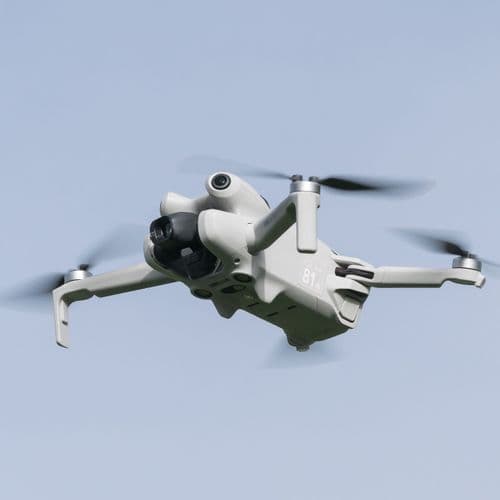
- Delft University researchers developed a lightweight tactile system for drones weighing under 100 grams, enabling navigation in complete darkness without cameras or LiDAR.
- Small drones typically face challenges with onboard computing and battery life, as conventional sensors prove too heavy; cameras and LiDAR do not operate reliably in low-visibility conditions like smoke or caves.
- Inspired by rodent whiskers, the system attaches artificial whiskers to the drone. Chaoxiang of Delft noted, "Our entire tactile perception pipeline runs onboard using just 34 kilobytes of memory," enabling real-time response.
- During testing, the drone followed surfaces in complete darkness, creating tactile maps of unfamiliar surroundings while filtering out propeller noise to identify genuine contact events.
- Salua Hamaza stated the goal is "using touch to explore and fly through the unknown," positioning this biomimetic navigation to sense obstacles in environments obscured by smoke or dust.
15 Articles
15 Articles

 Kreiszeitung


Researchers at the Delft University of Technology have developed a touch sensor for drones, allowing the aircraft to feel obstacles, follow surfaces and explore their surroundings even in complete darkness.


This new drone comes with 'whiskers' to help it navigate in the dark or smoky and dusty areas like battlefields — and it weighs less than 100g
Two artificial whiskers give this tiny drone a working sense of touch Pressure sensors at the whisker base detect surface contact instantly Onboard software processes tactile data using only 34 kilobytes of memory A research team from Delft University of Technology in the Netherlands has developed a tiny drone that uses artificial whiskers to navigate where conventional sensors struggle. The system relies on physical contact rather than cameras …

Most drones use camera, depth and distance sensors to perceive their environment. TU Delft's drone uses artificial whiskers for this.

A new tiny drone can navigate through the dark thanks to artificial whiskers and even map out an unknown area. Subscribe to the newsletter! Want the latest science news fresh in your inbox every day? Or every week? Subscribe to the newsletter here! Rats and mice do not need a lamp to […] More science? Read the latest articles on Scientias.nl .
Coverage Details
Bias Distribution
- 100% of the sources are Center


Factuality
To view factuality data please Upgrade to Premium