Scientists Deliver ‘Starkest Warning yet’ of Profound Changes Sweeping the Planet’s Oceans
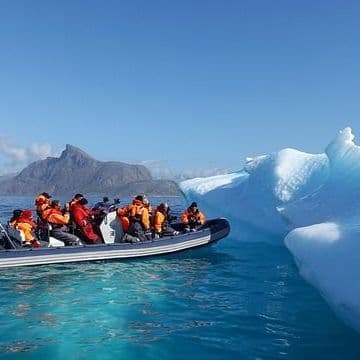
The report says Arctic sea ice has shrunk by nearly half a million square kilometres per decade since 1979, exposing coastlines to erosion.
- The tenth Copernicus Ocean State Report, published Wednesday, found oceans absorbed 23 zettajoules of heat last year, a record for the ninth consecutive year as warming rates have doubled over the past 20 years.
- Global oceans absorb roughly 90% of excess heat from fossil fuels, driving marine heat waves, stronger storms, and increased sea level rise alongside ocean acidification, sometimes called "climate change's equally evil twin."
- European seas are under "intense pressure" from record-breaking marine heatwaves lasting more than 30 days, while Arctic sea ice decline has left around 60 percent of coastal infrastructure vulnerable to erosion and sea level rise.
- Habitat loss now threatens ice-dependent species, including Emperor penguins, which the IUCN upgraded to "endangered" in April following record-low Antarctic sea ice and the first recorded large-scale breeding failure.
- Pierre Bahurel, Director General of Mercator Ocean International, stated "it is our responsibility to build the permanent capacity to anticipate this transformation," emphasizing sustained monitoring for government preparedness.
26 Articles
26 Articles
 Observador

Study indicates that all Exclusive Economic Zones (EEZs) of Small Island Developing States (SIDS) are affected by ocean warming since 1960

In 2025, the ocean absorbed a record of 23 zettajoules of energy, the equivalent of 40 times the world's energy consumption. Polar regions experience profound changes, with significant ice loss in the Arctic and unprecedented reproductive failures among the emperor penguins in Antarctica.


Polar oceans transformed as warming melts ice habitats: research
The Copernicus Ocean State Report depicts profound changes across the world's seas, from record-breaking heatwaves in the Mediterranean and Black seas to shifts in marine ecosystems and increasingly acidic waters. "The message is very clear. The ocean is changing rapidly," said Pierre Bahurel, director general of Mercator Ocean International, which runs the European Union's Copernicus Marine Service. Some of the more dramatic effects from global…

Accelerated warming of the polar oceans weakens the Arctic coasts and threatens the disappearance of emperor penguin colonies Climate change rapidly transforms the oceans

The tenth Copernicus report confirms that the sea continues to warm and warns of regional differences
Coverage Details
Bias Distribution
- 67% of the sources are Center


Factuality
To view factuality data please Upgrade to Premium