Scientists capture two DNA strands zipping together for the first time
Atomic force microscopy and simulations show divalent metal ions bridging two DNA helices, supporting a long-hypothesized zipper-like pairing model.
4 Articles
4 Articles


Scientists capture two DNA strands zipping together for the first time
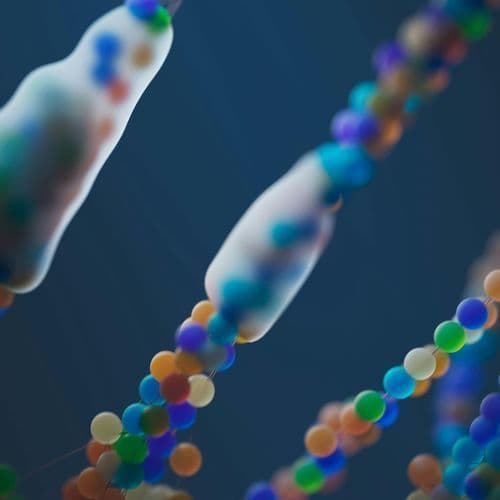
Scientists have directly observed how two negatively charged DNA molecules can pair up despite normally repelling each other. Positively charged metal ions appear to bridge the gap, helping matching DNA helices align groove for groove like a molecular zipper. The discovery confirms a theory proposed two decades ago and could help researchers understand DNA interactions involved in cancer and other cellular processes.

Scientists capture two DNA strands moving together for the first time
SEO Optimized Rewrite: DNA carries a negative charge, which might suggest that DNA molecules should repel each other due to the like charges. However, within living cells, DNA must occasionally come into close proximity in order to recognize matching sequences. These interactions are crucial for genetic recombination, gene silencing, and potentially have implications in cancer [...]

Coverage Details
Bias Distribution
- 100% of the sources are Center


Factuality
To view factuality data please Upgrade to Premium