Semaglutide Extended Lifespan in Older Female Mice, but that Was Not the only Finding
Researchers found semaglutide cut food intake by 24% and raised median lifespan from 742 to 834 days in female mice.
7 Articles
7 Articles

GLP-1 Weight-Loss Drugs Can Slow Aging and Extend Life Span, Mouse Study Suggests
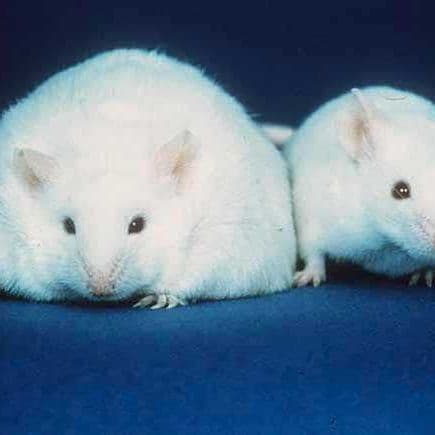
Older female mice—equivalent in age to 60-year-old women—given daily injections of the active ingredient in Ozempic lived about 12 percent longer than animals that didn't receive the drug

Animal study results have shown that glucagon-like peptide-1 (GLP-1) receptor agonists, the main component of obesity treatments, go beyond simply reducing body weight to slowing the aging process and extending lifespan. This suggests that the various disease-preventive effects of this drug, previously reported, stem from delaying ‘aging itself.’

Semaglutide extended lifespan in older female mice, but that was not the only finding
Late-life semaglutide treatment slowed age-related physiological decline, attenuated multiple molecular hallmarks of aging, and extended median lifespan from 742 to 834 days in aged female mice. The drug reproduced many effects of calorie restriction while providing additional benefits in exploratory behavior, spatial memory, and glucose control, suggesting that some effects extend beyond reduced calorie intake alone.


Berkeley – Regular treatment with semaglutide has extended the lifetime of older mice to a similar extent to the same extent as calorie restriction without glucagon-like peptide-1 agonists (GLP-1 agonists). Some effects on aging were reported in Nature (2026; DOI: 10.1038/s41586-026-10940-7).

A study on older female mice suggests that the active ingredient in diet pills can reduce biological signs of aging.
Coverage Details
Bias Distribution
- 67% of the sources are Center


Factuality
To view factuality data please Upgrade to Premium