NATO Keeps Article 5 Trigger ‘Deliberately Ambiguous’
Rutte said NATO will keep the threshold secret to deny adversaries a way to calibrate attacks and test the alliance.
- Secretary General Mark Rutte stated that Article 5 is deliberately ambiguous, explaining NATO will not define the exact threshold for collective defense to prevent adversaries from calculating how far they can escalate attacks.
- Polish Prime Minister Donald Tusk said intelligence assessments indicate Russia could stage "Hybrid" drone and missile strikes against countries supporting Ukraine, presenting them as accidents to test NATO's collective defense.
- Operations could persuade European societies that Article 5 is "more theoretical than practical," Tusk said, potentially undermining confidence in NATO's collective defense.
- Rutte noted that response options remain secret, explaining NATO could use asymmetric measures to impose costs without revealing full capabilities or intelligence to adversaries.
- NATO determines whether an incident constitutes an armed attack on a case-by-case basis, as the alliance's official policy does not define a fixed threshold for Article 5 invocation.
19 Articles
19 Articles

NATO’s Article 5 is “Deliberately Ambiguous” on Hybrid Threats, Rutte Says
NATO’s Article 5 mutual defense clause is intentionally vague to prevent adversaries from exploiting red lines, particularly as the alliance faces a growing wave of hybrid warfare, NATO Secretary General Mark Rutte stated on September 23.


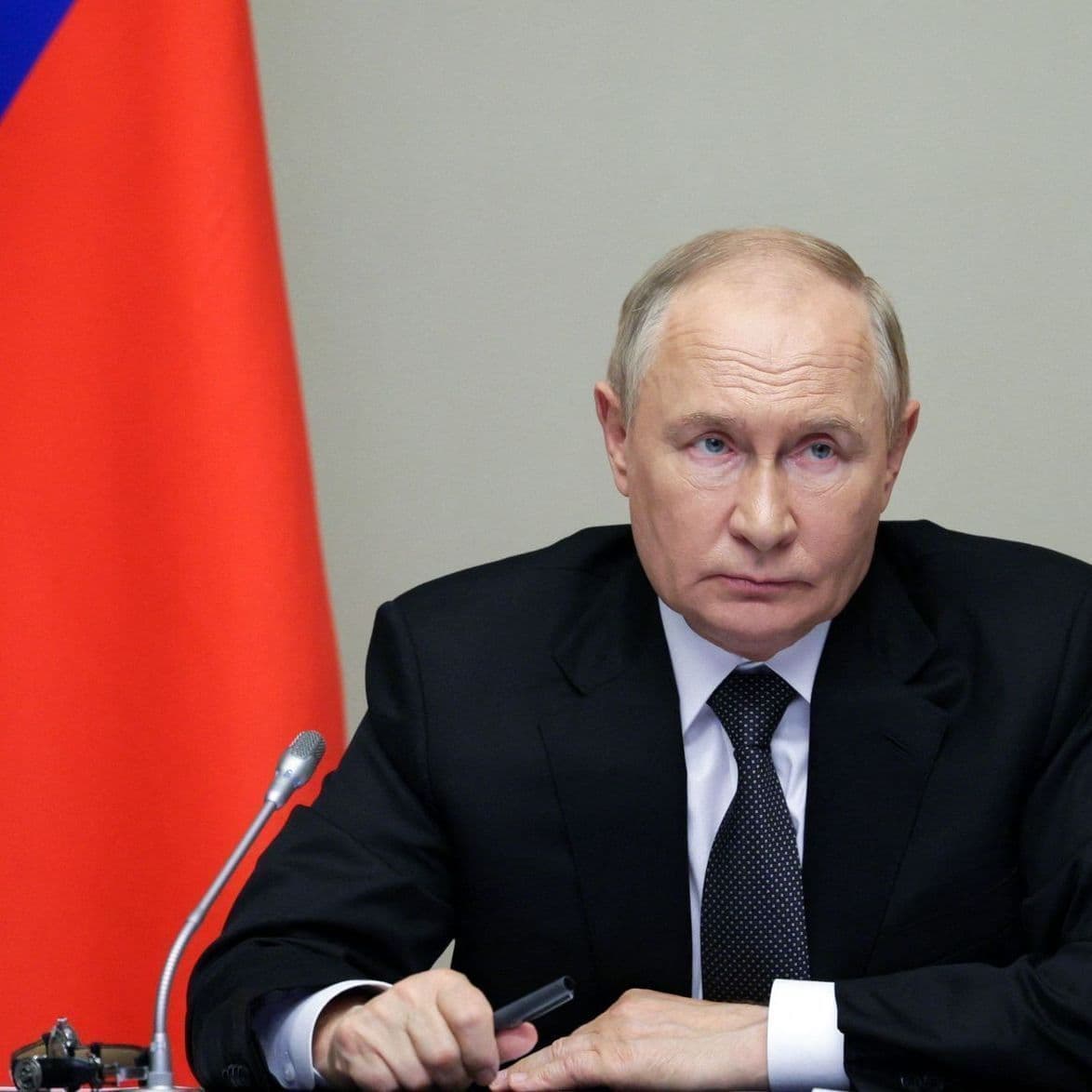
Russian President Vladimir Putin is aware of the potential consequences of triggering Article 5 of the NATO treaty, but the Alliance will not publicly disclose what actions would lead to its activation. NATO Secretary General Mark Rutte said this in an interview quoted by DPA, reports News.bg. "We will never say exactly what triggers Article 5. This ambiguity exists and will remain," Rutte said. According to him, however, the Russian side "clear…


Russian President Vladimir Putin “clearly understands” what would trigger the activation of NATO's Fifth Collective Defense Article, even though the alliance does not purposely disclose its red lines, NATO Secretary General Mark Rutte said.

The fifth article of the NATO Constitution is specifically worded to prevent the enemy from knowing when it will be applied, as stated by NATO Gynaec Mark Rutte. Rutta addressed the public debate in De Moin, Iowa, on "The Future of NATO", where article 5 was discussed.
Coverage Details
Bias Distribution
- 57% of the sources lean Left


Factuality
To view factuality data please Upgrade to Premium