Iran submits conditions for reopening of Hormuz to U.S. representative, state media says
Iran said a phased reopening could begin if the United States lifts its blockade, releases frozen assets and ends attacks on regional fronts.
- On Tuesday, Iran's Foreign Minister Abbas Araqchi met with US Special Envoy Steve Witkoff at the United Nations General Assembly in New York, where Iran conveyed conditions for reopening the strategic Strait of Hormuz.
- Iran's conditions for reopening the strait include immediate lifting of the naval blockade, immediate release of frozen Iranian assets, and end of war across all 'resistance' fronts, state media added.
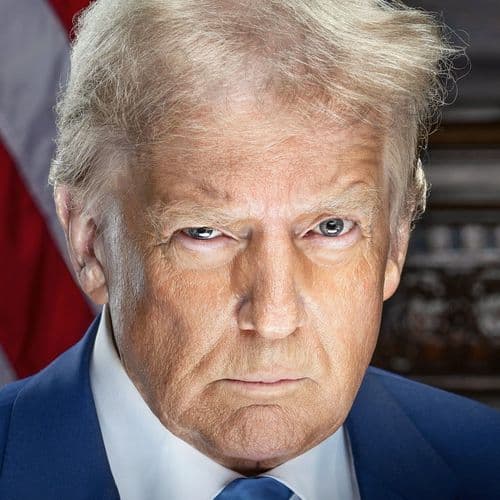
- President Donald Trump told reporters at the United Nations that US officials had a 'very good' three-hour meeting on Tuesday with the Iranian delegation, saying 'they want to talk to us' and the relationship is developing.
- Trump repeated his threat to annihilate Iran if it fails to strike a deal, emphasizing that 'we can't let them have a nuclear weapon' at the United Nations.
- Speaking after a meeting with British Prime Minister Andy Burnham, Trump said the US is 'completely isolating Iran financially' hoping it will 'do the right thing quickly-before it's too late.
142 Articles
142 Articles

U.S. President Donald Trump rejected Iran's ceasefire proposal and chose to wait until the naval blockade and sanctions tightened their grip on the country. Previously, Iran had stated it would open the Strait of Hormuz within seven days if the U.S. lifted port blockades, waived oil sanctions, and returned $12 billion in frozen assets. However, President Trump argued that Iran had preemptively demanded an unreasonable price without sincerity.

European Shares Seen Subdued As Hormuz Reopening Hopes Fade
European stocks are seen opening on a cautious note on Monday due to continued uncertainty over the end to the U.S.-Iran war in the Middle East after U.S. President Donald Trump rejected Iran's latest proposal to reopen the Strait of Hormuz and signaled possible new military strikes after midterm elections.

Envoy reveals why US rejected Iran's Hormuz offer
The US rejected Iran's proposal to reopen the Strait of Hormuz, citing Tehran's demands for sanctions relief and access to frozen assets before nuclear program negotiations. US Ambassador Mike Waltz called the offer a 'cynical attempt,' while Iranian Foreign Minister Seyyed Abbas Araghchi disputed Waltz's account and reiterated Iran's readiness for both diplomacy and renewed hostilities. President Trump expressed confidence in winning the conflict soon and keeping all options, including military strikes, on the table, with denying Iran a nuclear weapon as the primary objective.

‘They were asking for everything up front:’ US Ambassador to UN Mike Waltz explains why Trump rejected Iran's proposal
US envoy Mike Waltz said Iran sought sanctions relief in exchange for reopening the Strait of Hormuz, prompting Trump to reject Tehran’s ceasefire proposal. Iran has refused to soften its demands but says it remains open to negotiations to resolve the standoff.

US diplomat reveals why Trump rejected Iran’s Hormuz proposal - The Tribune
The US Ambassador to the United Nations Mike Waltz on Sunday (local time) said that the United States rejected Iran’s proposal to reopen the Strait of Hormuz because Tehran sought sanctions relief and access to “billions in frozen assets” before negotiations on its nuclear programme.

Coverage Details
Bias Distribution
- 35% of the sources lean Right


Factuality
To view factuality data please Upgrade to Premium