Published • loading... • Updated
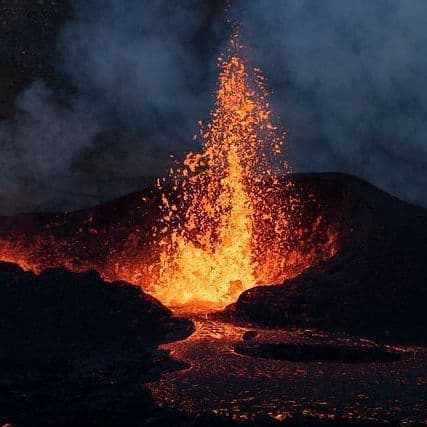
Sinabung volcano on Indonesia’s Sumatra island erupts without reports of casualties
Authorities closed nearby recreation sites and warned residents to avoid danger zones after the volcano’s ash plume rose 3.5 kilometers, officials said.
- On Monday, August 31, 2026, Mount Sinabung in Karo Regency, North Sumatra, erupted violently, spewing a thick volcanic ash column about 3.5 kilometers high above the summit at 10:17 a.m. Western Indonesian Time .
- Increased volcanic activity since August 19 prompted the Karo Regency government to raise Mount Sinabung's alert level to Level II, triggering the closure of Lau Kawar Lake and nearby camping grounds indefinitely.
- Officials prohibited all activities within a 3km radius of the summit and within a 4.5km sector extending to the southeast. Residents near river basins were also advised to remain vigilant for cold lava flows during heavy rainfall.
- Lana Saria, Head of the Geological Agency, reported the eruption lasted approximately one hour, one minute, and 48 seconds with ash tilting toward the east and southeast. The Karo Regency government was instructed to maintain close coordination with the Mount Sinabung Observation Post.
- Located on the Pacific "Ring of Fire," Indonesia is home to more than 120 active volcanoes. Sinabung remained dormant for centuries until 2010, then entered prolonged activity with major eruptions in 2013 and 2014, plus a deadly 2016 eruption that killed at least seven people.
Insights by Ground AI
64 Articles
64 Articles

Mount Sinabung, Indonesia, erupted on Monday, projecting a column of black ashes and smoke rising 3500 metres above the mountain top into the sky above Sumatra Island.
·Montreal, Canada
Read Full Article

Sinabung volcano on Indonesias Sumatra island erupts without reports of casualties - The Tribune
Mount Sinabung on Indonesia erupted on Monday, spewing a column of black ash and smoke 3,500 metres from the top of the mountain into the sky over Sumatra island. There were no immediate reports of casualties, evacuations or disruptions to flights in the region. But residents, visitors and tourists were advised to refrain from activities […]
·Chandigarh, India
Read Full Article


 Associated Press News
+8 Reposted by 8 other sources


Sinabung volcano on Indonesia’s Sumatra island erupts without reports of casualties
Mount Sinabung on Indonesia has erupted, spewing a column of black ash and smoke 3,500 meters from the top of the mountain into the sky over Sumatra island.
·New York, United States
Read Full ArticleCoverage Details
Total News Sources64
Leaning Left12Leaning Right12Center5Last UpdatedBias Distribution42% Left, 41% Right
Bias Distribution
- 42% of the sources lean Left, 41% of the sources lean Right
42% Left
L 42%
C 17%
R 41%


Factuality
To view factuality data please Upgrade to Premium