Make It Rain: Indonesia Chases Clouds to Stem El Nino Fires
Authorities are using more aircraft and peatland rewetting after over 100,000 hectares burned in the first half of the year, officials said.
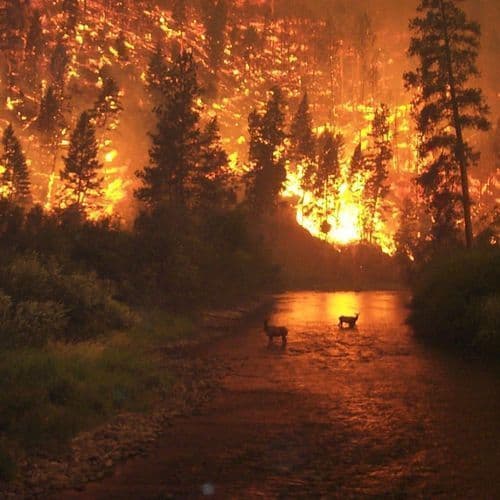
- Indonesia's Borneo region is experiencing severe wildfires, with over 285,000 hectares burned by July due to a strong El Nino and prolonged dry conditions.
- Indonesia has increased cloud-seeding operations to 252 between 2021 and August 2023, aiming to induce rain and mitigate fires and peatland dryness.
- Experts debate the effectiveness of cloud seeding during the dry season because of low cloud presence, although some research indicates specific operations increased rainfall and reduced fire hotspots.
- Activists and researchers associate the intensified wildfires with climate change, which exacerbates El Nino's drying effects and raises global temperatures.
19 Articles
19 Articles

In the midst of pest fires, the country relies on the manipulation of the sky to artificially cause rain. For researcher Marine Guglielmo Weber, however, this technique remains surrounded by many uncertainties.

Indonesia, grappling with widespread forest and peat bog fires, is taking measures to contain the blaze. One such measure is cloud seeding. Authorities hope that artificially induced rainfall will help extinguish the raging fires.

Indonesia is facing an extremely dry spell. This is particularly noticeable due to the massive increase in the number of forest fires: 154,000 hotspots have already been discovered this year, with a number of very large fires on Sumatra, Papua, West Nusa Tenggara, and especially West Kalimantan. About 50,000 hectares of forest on the island have been destroyed, and orangutans even had to be evacuated because their habitat was at risk. In additio…

In the face of its worst fire season in several years, amplified by the El Niño phenomenon that exacerbates the drought, Indonesia practices cloud sowing.

In the face of a fire season aggravated by the El Niño phenomenon, Indonesia is multiplying the artificial rain operations despite the scepticism of experts on their actual efficiency.

Coverage Details
Bias Distribution
- 46% of the sources lean Right


Factuality
To view factuality data please Upgrade to Premium