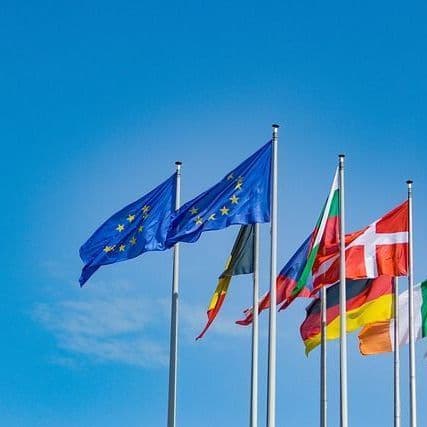
Iceland rejects government proposal to resume EU membership talks
The defeat could shelve the EU issue in Icelandic politics for at least two years, with fisheries policy still the main sticking point.
- On Sunday, public broadcaster RUV reported that Icelanders rejected the government's proposal to restart European Union accession negotiations, with 52.5% of voters opposing the plan based on 188,500 ballots counted from 270,000 eligible voters.
- Supporters of the 'Yes to See' campaign argued that joining the European Union could stabilize the economy and strengthen security amid high interest rates of up to 12% and threats from President Donald Trump.
- Fisheries account for 40% of Iceland's exports and about 8% of GDP, making control of fishing grounds a primary sticking point; opponents argued the country cannot surrender formal and practical control to the European Union.
- Iceland is already a participant in the European Economic Area, which guarantees access to European markets without relinquishing legislative authority; critics claimed full European Union membership would require adopting thousands of external regulations.
- Previous accession negotiations were suspended in 2013 when a Eurosceptic government shelved the process, though Iceland remains strategically aligned with the European Union through NATO and a Security and Defence Partnership signed in March.
311 Articles
311 Articles

After Norway and Switzerland, Iceland became, on Sunday 30 August, the third country to refuse to join the European Union. A setback for Brussels, which hoped to strengthen its presence in the Far North and thus counter American and Russian vellities in the region.

“Independent Survival over the EU”… Iceland Chooses ‘Fishery Sovereignty’ over Security and the Euro
Iceland, which applied for EU membership pushed by the 2008 financial crisis, has voluntarily forfeited the opportunity to resume accession negotiations after 17 years. Although the Icelandic government urged the public to restart talks by citing Arctic security and trade wars, voters appear to have been concerned about the potential loss of the fisheries industry and control of waters to the EU. According to data compiled by Iceland's public br…

Iceland does not want to talk about EU membership. It was short, but nevertheless a clear point: the club of the 27 must be careful not to lose its attractiveness. It shows a dangerous self-certainty.

There are people, we don't know why, we like them. Take the Icelanders for example.

The Icelandic people gave Brussels a surprisingly clear rejection. The rapprochement was based on an illusion. Reykjavik sought the protection of the EU, but suppressed the high price of the loss of sovereignty.

Saturday’s vote was held in the shadow of repeated threats by US President Donald Trump to control nearby Greenland, which led some voters to favour the idea of European solidarity. But the issues of fishing and independence would have been decisive in rejecting the government’s proposal to negotiate with Brussels.
Coverage Details
Bias Distribution
- 46% of the sources lean Left


Factuality
To view factuality data please Upgrade to Premium