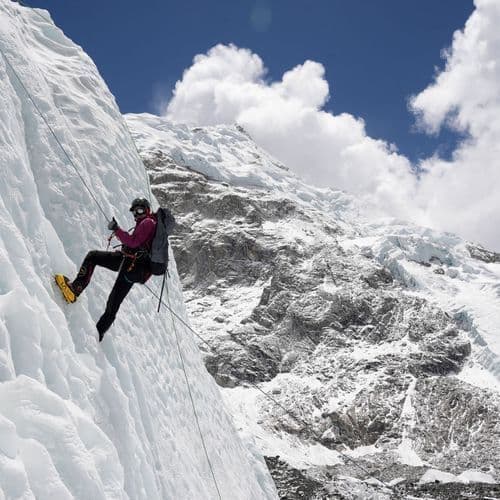
Mount Everest Base Camp Is Melting. Human Urine Is a Contributor
Researchers found base camp activity is warming the glacier twice as fast as nearby areas and causing about 3 million kg of spring ice loss.
- A new study reveals that Everest Base Camp activities drive significant ice loss on the Khumbu Glacier, with about 3 million kg of ice melting each spring, including 154,000kg attributed to human urine.
- About 2000 climbers and guides produce more than 6000 litres of urine daily at the camp, yet most individuals urinate directly on the glacier rather than using pit-vault toilets, contaminating local water sources.
- Khim Lal Gautam, a geospatial scientist in Nepal, led the study alongside Virginia Burkett of the Geological Survey. Gautam explained that "If you drink more water, you have to let it out," referring to the body's hydration needs at altitude.
- This localized melting threatens to "cause more avalanches and make a dangerous climb more dangerous," notes Peter Hackett, an altitude researcher; experts also warn of increased risks for deadly flooding from glacial outbursts.
- Experts suggest relocating Everest Base Camp off the glacier to stable ground to reduce localized melting and improve logistics. Such action could set a precedent for protecting other at-risk glaciers worldwide.
11 Articles
11 Articles


A new study has shown that increasing human activity on Mount Everest is accelerating the melting of glaciers.

Study shows that the urine of climbers and the use of fuels in base camp accelerate the loss of ice in the region

The growing movement of tourists, climbers and support teams on Mount Everest has caused impacts on the Khumbu glacier. The phenomenon is mainly related to climate change, the use of fossil fuels in the Base Camp and the large amount of human waste left in the region. The Base Camp, which receives thousands of people during [...]

Human activities around Everest are contributing to the melting of glaciers and snow, and one of the factors contributing to the denudation of the world's highest mountain is the natural needs of mountaineers, a new study suggests.
Coverage Details
Bias Distribution
- 34% of the sources lean Left, 33% of the sources are Center, 33% of the sources lean Right


Factuality
To view factuality data please Upgrade to Premium