Nepal Flood Disaster Exposes Cascading Threats in Himalayas
Scientists say better snowfall and glacier monitoring is needed after a collapse-triggered flood killed more than 1,000 people and washed away villages and roads.
7 Articles
7 Articles

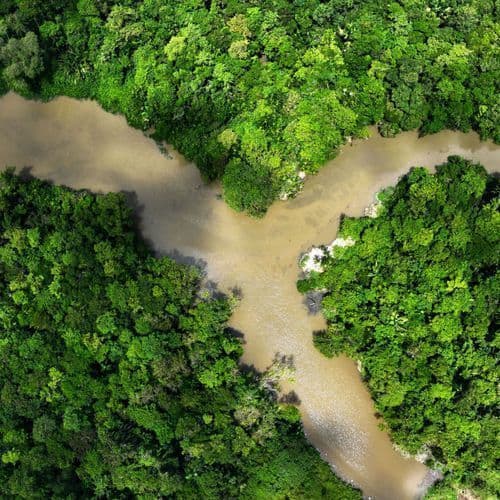
A mudslide along the border between Nepal and China's Tibet Autonomous Region engulfed many towns and villages in a short time. Warnings had long been issued that climate change could cause widespread damage in this region.
 The Conversation
 Phys.org
Nepal floods: how measuring snow in the Himalayas could help avoid future disasters
The massive and deadly floods on the Nepal-Tibet border are a stark reminder of why the world needs to constantly update its understanding of the fragile ecosystem in the Himalayas. These towering mountains contain nearly 90,000 glaciers, which sustain ten major river systems. Countries nearby, including India, Pakistan, China, Afghanistan, Nepal and Bhutan, are reliant on water resources that cross borders here. As major river-based hydro econo…

Nepal disaster puts its hydropower-first strategy, exports to the test
Rudra Pangeni/Mongabay India Nepal’s long-held policy of harnessing hydroelectricity and using it for economic growth has met new challenges: potential catastrophic floods in the snow-fed rivers amid rising global temperatures. The August 26 floods that originated on the Nepal-China border, and that knocked out around 10% of installed power from the national grid, has prompted …

Himalayan glacier disaster demands action
On the morning of August 26, 2026, the Himalayas delivered a catastrophic reminder of their growing menace. At approximately 9:00 AM local time, a massive flash flood surged down the Bhote Koshi River from the Tibet Autonomous Region in China into Nepal’s Rasuwa district. Within six to seven minutes of a massive section of glacier […]


Coverage Details
Bias Distribution
- 67% of the sources lean Left


Factuality
To view factuality data please Upgrade to Premium