GLP-1 drugs have benefits beyond weight loss. Could microdoses preserve them?
Researchers say smaller GLP-1 doses may preserve weight, heart and kidney benefits while improving tolerability over time.
4 Articles
4 Articles

What Are GLP-1 Medications? A Beginner's Guide to How They Work
GLP-1 medications have become widely discussed for diabetes and weight management, but the term itself does not explain much. GLP-1 stands for glucagon-like peptide-1, a hormone the body naturally releases after eating. Medications that act on the GLP-1 system can affect blood sugar, appetite, and digestion. Understanding those effects, along with the differences between individual… The post <em>What Are GLP-1 Medications?</em> A Beginner’s Guid…

GLP-1 Medications: Side Effects tamed, benefits retained?
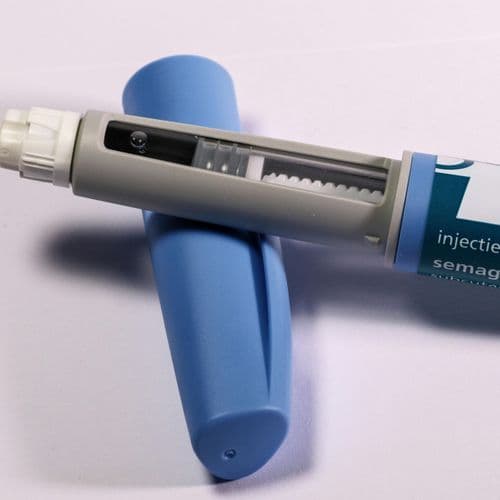
Small or fractional doses of GLP-1 receptor agonists may mitigate side effects while retaining some therapeutic benefits, though this approach requires further long-term research and is not considered a complete replacement for standard treatments. The Challenge of Tolerability A primary hurdle in using GLP-1 medications is poor tolerability. Patients frequently report nausea, vomiting, diarrhea, and constipation. To manage these adverse reactio…


GLP-1 drugs have benefits beyond weight loss. Could microdoses preserve them?
A narrative review suggests GLP-1-based therapies deliver metabolic, cardiovascular, renal, and other systemic benefits, raising interest in whether lower fractional doses could improve tolerability and treatment continuity. However, direct evidence for GLP-1 microdosing remains extremely limited, and researchers say prospective studies are needed to determine whether lower doses preserve long-term benefits.
Coverage Details
Bias Distribution
- 50% of the sources are Center


Factuality
To view factuality data please Upgrade to Premium