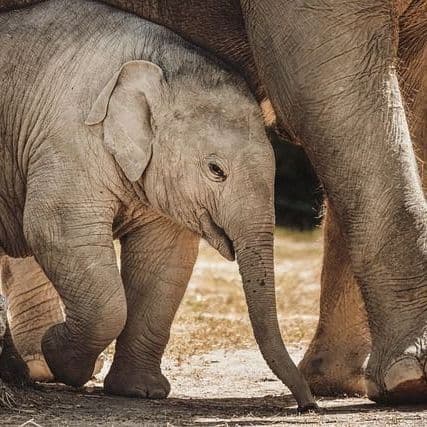
Elephants Use Medicinal Plants to Treat Themselves, Researchers Find
Researchers said mothers pass medicinal plants to calves, and 25 of the 35 species identified are known locally for healing uses.
- Researchers in Kenya's Mount Elgon region found elephants consume 35 different plant species to treat ailments, with 25 of those plants locally recognized for medicinal properties.
- Collaborating with the Mount Elgon Foundation, researchers interviewed local wildlife scouts and community elders whose accounts revealed elephants selecting specific plants when appearing unwell.
- One wildlife scout described seeing an elephant mother use Angurweet "as medicine to give to babies," mixing leaves with milk after chewing the plant until smooth.
- Dr. Elodie Freymann of Brown University and Dr. Fabien Schultz of the Bernhard Nocht Institute now aim to investigate whether these plants possess relevant biological activity. "This shows just how entangled our medicines are with the non-human world," Freymann said.
- Primatologist Professor Michael Huffman of Nagasaki University added that self-medication is observed across the evolutionary ladder, from insects to great apes, though more evidence is needed to confirm elephants provide bespoke treatment.
20 Articles
20 Articles
 tippinsights
 BizToc
Elephants May Use Medicinal Plants To Treat Themselves, Study Finds
Working with the Mount Elgon Foundation, researchers interviewed wildlife scouts and community elders, who described elephants appearing to select certain plants when they were unwell.

African elephants use dozens of plant species to treat themselves and their families when they are sick, according to a study conducted in the Monte Elgon region of Kenya. The survey, published in Scientific Reports, identified 35 species used by animals, of which 25 are locally known for their medicinal properties.


Scientists have discovered that African elephants may use medicinal plants to treat themselves and their offspring when they become ill.

They also like to give it to their calves, according to a recent study.

Coverage Details
Bias Distribution
- 38% of the sources lean Left, 37% of the sources lean Right


Factuality
To view factuality data please Upgrade to Premium