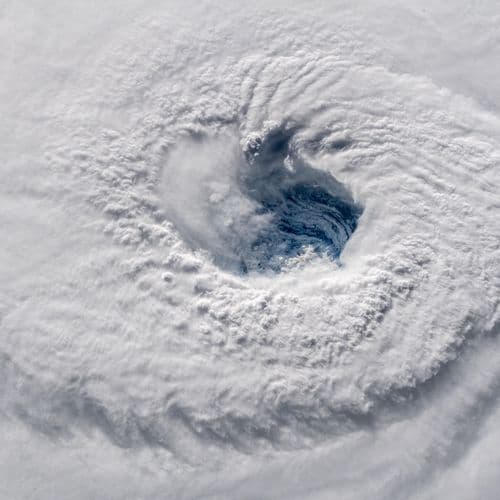
Aided by El Niño, Hurricane Polo Explodes to Category 5 as It Nears Baja California
- On Wednesday, Hurricane Polo drifted near Mexico's southwestern coast as a formidable Category 4 storm, positioned around 165 miles south of Zihuatanejo, with the National Hurricane Center expecting it to remain "a very powerful major hurricane."
- Meteorologists attribute Polo's rapid intensification to exceptionally warm ocean conditions associated with El Niño, which provided the fuel necessary for the storm to strengthen exceptionally quickly.
- Polo reached a peak sustained intensity of 180 mph on Tuesday afternoon with a pressure of 892 mb, making it one of the strongest recorded hurricanes in the Pacific basin, according to meteorologist Nick Arman.
- Coastal portions of Guerrero and Michoacán face significant rainfall through Thursday, with isolated totals up to 8 inches, as the NHC warned of life-threatening flooding and mudslides.
- The World Meteorological Organization expects El Niño to persist through February 2027, with a recent study estimating this climate event could lead to 451,000 additional heat-related deaths globally.
40 Articles
40 Articles

Hurricane Polo, having regained strength, drenches the Pacific coast and heads for Baja
The Pacific cyclone has behaved oddly, intensifying from a “disorganized tropical depression” to a dangerous Category 5 hurricane with unprecedented speed, and reaching high temperatures unrecorded since 2005.

Hurricane Polo is heading for Baja California South after reaching category 5. Authorities are monitoring its trajectory and possible impacts next week.


It follows the trajectory of Hurricane Polo: it continues as category 5 and approaches Baja California, while the NHC keeps alerts in Mexico.


Another Cat 5 Hurricane Roars Through the Pacific, Skirting Mexico's Coast
The storm named Polo has grown into one of the most powerful Pacific Ocean cyclones in decades and was expected to soon skirt Mexico’s southwestern coast as a Category 5 hurricane with sustained winds as strong as 165 mph.
Coverage Details
Bias Distribution
- 62% of the sources are Center


Factuality
To view factuality data please Upgrade to Premium