Dementia Can Begin With Language, Behavior and Orientation Changes
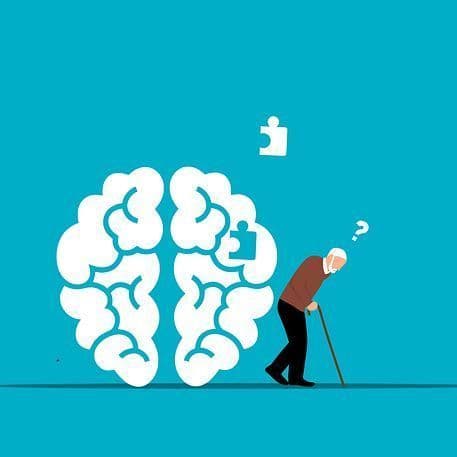
Early signs can include trouble with language, orientation and daily tasks, and about 25% of Alzheimer’s cases begin with atypical symptoms, clinicians say.
- Dementia does not always begin with memory loss; Frontotemporal Dementia often presents first through behavioral or personality changes rather than the cognitive decline typical of Alzheimer's disease.
- FTD is the most common form of early-onset dementia, typically affecting people aged 45 to 64; it often starts in the frontal lobe, which governs behavior, social interaction, and planning.
- Because early symptoms like compulsive behaviors are often misread as psychiatric issues, it takes an average of three to four years to receive an FTD diagnosis, Brad Dickerson, neurologist, said.
- Genetic mutations drive FTD in roughly 20 percent of cases, with a 50 percent chance of inheriting the condition if a mutation is present, though exercise may help delay symptoms.
- While recent years brought a revolution in Alzheimer's treatment with medications lecanemab and donanemab, there is currently no cure for FTD, creating a significant disparity in available medical options.
4 Articles
4 Articles
 The Washington Post
 The Seattle Times
The dementia that often strikes in midlife — and the signs people miss
Initial symptoms of frontotemporal dementia (FTD) are easy to miss, since they can look more like a psychiatric condition than a neurodegenerative one.

Dementia doesn’t always begin with memory loss: early warning signs to watch for
Forgetting a familiar name may be normal, but repeated questions, medication confusion or personality changes can signal dementia; experts explain the line between aging and disease, rising diagnoses in people in their 50s and 60s and new tests and drugs

Forgetting a familiar name may be a normal part of aging, but constantly repeating questions, confusing medications, difficulties with language, orientation or sudden changes in personality could be early signs of dementia, according to The Times. Experts emphasize that recognizing these changes over time has become......
Coverage Details
Bias Distribution
- 100% of the sources lean Left


Factuality
To view factuality data please Upgrade to Premium