Published • loading... • Updated
B.C. Forestry Leader Backs Canada’s Trade Walkout Despite Possible Softwood Progress
Haakstad said the collapse could deepen costs for B.C. producers, while rail transport expenses have risen 40% since 2018, she said.
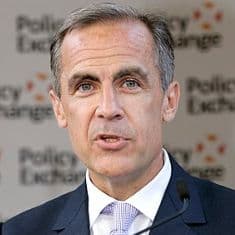
- Prime Minister Mark Carney walked away from trade talks with the United States, a decision backed by BC Council of Forest Industries president Kim Haakstad, who argued Ottawa correctly prioritized a fair deal over accepting a flawed agreement.
- Following the collapse of negotiations last week, Trade Representative Jamieson Greer claimed on Saturday that President Donald Trump's administration offered lumber tariff concessions during talks that ultimately failed to produce a deal.
- Premier David Eby called the breakdown "disappointing" on Tuesday but urged Canadians not to be "naive" about potential benefits, stating Canada needed to stand up to "a thug and a bully."
- Haakstad said the sector faces "overly complex" regulatory rules requiring two to three years to secure forest cutting permits, urging Ottawa to streamline processes and reduce costs for producers.
- Federal and provincial leaders must now address the impact of tariffs triggered by the breakdown, pivoting toward supporting domestic forestry producers as the sector searches for new market strategies to maintain competitiveness.
Insights by Ground AI
26 Articles
26 Articles
 The Toronto Star
+5 Reposted by 5 other sources


B.C. forestry leader backs Canada’s trade walkout despite possible softwood progress
VANCOUVER - A leader in British Columbia's forestry sector is voicing support for Prime Minister Mark Carney's decision to walk away from trade talks with the United States despite reported
·Toronto, Canada
Read Full Article Winnipeg Free Press
+19 Reposted by 19 other sources


B.C. forestry leader backs Canada's trade walkout despite possible softwood progress
VANCOUVER - A leader in British Columbia's forestry sector is voicing support for Prime Minister Mark Carney's decision to walk away from trade talks with the United States despite reported concessions on lumber tariffs in a scuttled deal.
·Winnipeg, Canada
Read Full ArticleCoverage Details
Total News Sources26
Leaning Left16Leaning Right0Center9Last UpdatedBias Distribution64% Left
Bias Distribution
- 64% of the sources lean Left
64% Left
L 64%
C 36%


Factuality
To view factuality data please Upgrade to Premium