Amazon blocks Meta’s Muse AI assistant in new standoff over agentic shopping
- On Saturday, Meta's chief AI officer Alexandr Wang announced a nationwide television ad campaign for Muse, a personal AI agent designed to autonomously handle tasks like shopping and email management.
- Unlike chatbots that answer questions, Muse acts on a user's behalf by accessing personal accounts including email, banking, and credit cards to execute tasks autonomously across their digital life.
- Researcher Margaret Mitchell warns that Muse and similar agents risk causing "cognitive degradation," where users become overly reliant on automation and "divulging more private information" through high personalization.
- Critics like researcher Mir argue this follows Meta's "continued trajectory" of controlling what users see and collecting data, while consumer advocates fear agents could prioritize sponsored brands in recommendations.
- Following its launch, Muse reached the top of the App Store within one day, signaling rapid consumer adoption despite privacy concerns as rival agents like Instinct also gain traction.
38 Articles
38 Articles


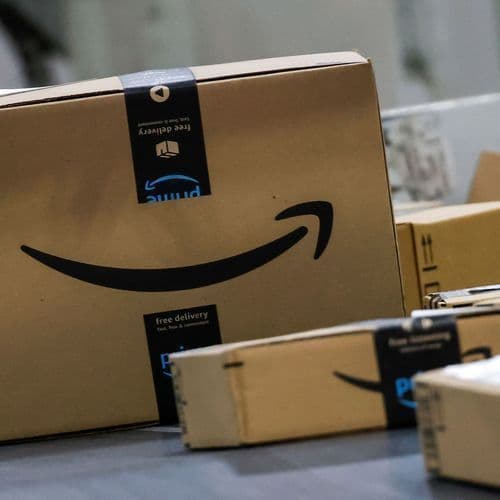
Amazon blocks Muse and takes Perplexity back to court
Amazon fought AI shopping agents on two fronts on Monday. It blocked Muse, Meta’s new AI assistant, from Amazon.com. It also filed an amended complaint against Perplexity, accusing the company of misleading a federal appeals court. The block came first. People who sent Muse to shop on Amazon over the weekend began seeing a popup. […] This story continues at The Next Web


Amazon Blocks Meta's New Muse AI Agent From Shopping On Amazon.com

Meta's Muse Knows Too Much: The AI Agent That Watches Closer Than It Helps
WIRED's test of Meta's new AI agent Muse reveals an eager digital companion that pushes relentlessly for personal data access while delivering uneven task performance. Privacy experts warn of manipulative defaults and a company pattern of opt-in collection followed by hasty retreats. Users gain convenience at the cost of deeper surveillance.
Coverage Details
Bias Distribution
- 58% of the sources are Center


Factuality
To view factuality data please Upgrade to Premium