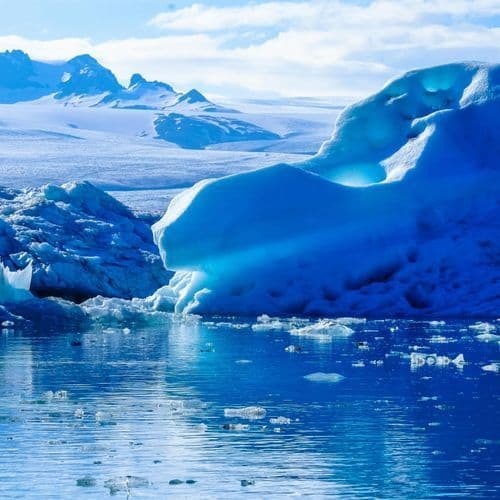
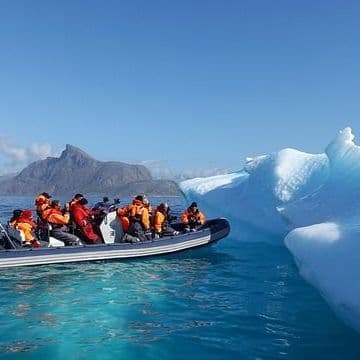
Swiss Glaciers Lose over 5% of Ice Volume in 2026 as Heat Waves, Low Winter Snow Accelerate Thaw
Scientists said 2.2 trillion litres of meltwater ran off between July and September, underscoring a rapid retreat that threatens future water supplies.
- On Thursday, the Swiss Glacier Monitoring Network and the Swiss Commission for Cryosphere Observation reported that Swiss glaciers lost 5.5% of their ice volume in 2026, driven by a record-breaking European heatwave.
- A combination of record summer temperatures and insufficient winter snow drove the "enormous" melting, according to GLAMOS director Matthias Huss. The loss remains slightly below the 2022 record of 6% due to more winter snow cover.
- Scientists estimate Swiss glaciers lost around 2.2 trillion liters of water between July and September alone. Switzerland's largest glacier, Aletsch Glacier, suffered its biggest-ever melt this year, while Glacier de Tsanfleuron lost more than four meters of thickness.
- Known as Europe's "water tower," Swiss glaciers feed major rivers including the Rhine and Danube, but accelerated melt threatens to disrupt hydropower production and agricultural water supplies.
- Huss warned that Alpine glaciers have no chance of long-term survival under current conditions, with warming entirely driven by human emissions. "Now we are in this new world, in this future, where glaciers are just melting away," he said.
185 Articles
185 Articles

The Swiss glaciers have lost 5.5% of their volume this year, according to the Glamos monitoring network, after a summer of the hot record preceded by a winter with low snowfalls. In five years, the loss is almost 20% of the mass. On the Scex Rouge glacier, at 3,000 [...] The article "Catastic Year for Glaciers," and will come with worse glaciers: the alarm of Swiss experts after the summer from the hot record comes from Il Fatto Quotidiano.

As temperatures increase, Switzerland's glaciers begin to melt. By 2026, more than 5% of the ice will be gone, and in five years, nearly 20% will be gone. Currently, the melted ice is providing water, but this water may become scarce in the future.

Swiss white giants experienced their second worst annual record after 2022, bringing their volume loss to almost 20% in five years, according to a study published on Thursday, October 1.

For millennia glaciers have shaped the Swiss Alps. But the latest figures give cause for concern: the glaciers continue to melt dramatically and have lost more than five percent of their volume this year. By Sandra Biegger.

Swiss glaciers, disproportionately affected by climate change, have lost almost 20% of their mass in five years, experts said this Thursday, stating that 2026 recorded the second largest loss of ice ever recorded.
 Lietuvos Radijas ir Televizija
 lrytas.lt
This year's heatwave in Europe and a snowless winter have taken their toll on Switzerland's glaciers, a study has found. The Alpine country's glaciers have lost 5.5 percent of their mass this year, the Swiss glacier monitoring network Glamos said. It was the second-largest loss since records began about 140 years ago.
Coverage Details
Bias Distribution
- 45% of the sources are Center


Factuality
To view factuality data please Upgrade to Premium